Research on cinnamon supplementation suggests a modest beneficial effect on blood glucose measures, although results vary between studies. Ceylon cinnamon contains naturally occurring compounds that have been investigated for their influence on glucose metabolism. It should be viewed as part of a balanced diet, not as a replacement for diabetes treatment.
Clinical research has found modest reductions in blood pressure following cinnamon supplementation in some groups. The evidence remains limited and varies between studies, but it suggests that cinnamon may contribute to healthier blood pressure as part of an overall balanced lifestyle.
Studies have investigated cinnamon's effects on blood lipids, with some evidence of modest improvements in total cholesterol, LDL and HDL levels. Findings are not uniform, so cinnamon should not be presented as a treatment. Its potential contribution is best considered within an overall healthy dietary pattern.
Cinnamon is naturally rich in polyphenolic compounds with antioxidant activity. Research has found improvements in measures such as total antioxidant capacity in some groups following cinnamon consumption. These compounds may help the body manage oxidative stress, although the strength of the effect depends on the study and formulation.
Cinnamon has been studied for its potential effects on inflammatory and oxidative stress markers. Some clinical reviews report reductions in markers such as C-reactive protein and interleukin-6, while other findings are less conclusive. More research is needed before these effects can be considered firmly established.
Cinnamon and its aromatic compounds have demonstrated antimicrobial activity in laboratory research against various microorganisms. This helps explain its long history of use in traditional food and preservation practices. However, laboratory findings should not be interpreted as evidence that cinnamon can treat infections or replace appropriate medical care.
Both come from the Cinnamomum genus, but Ceylon cinnamon and Cassia differ in species, appearance and flavour. Its negligibly low coumarin level is what makes it highly sought after in the international markets over Cassia
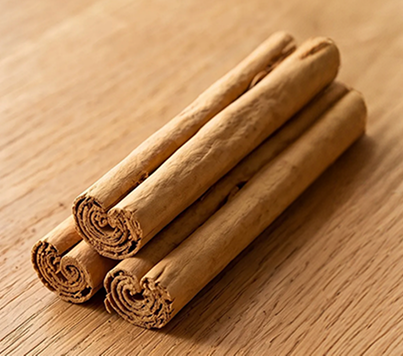
Fine, layered quill structure
Delicate, naturally sweet aroma
Mild and refined flavour
Naturally low in coumarin
Native to Sri Lanka
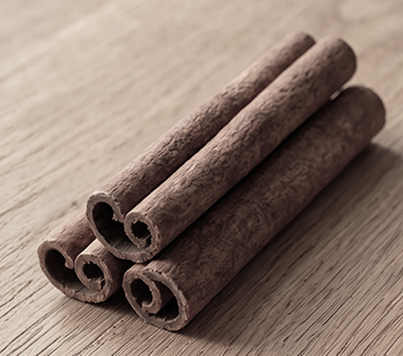
Thick, single-layer bark
Stronger, more intense aroma
Bolder, sharper flavour
Higher coumarin levels
Mainly associated with East and Southeast Asia
Cinnamon has moved from wild harvesting to carefully managed cultivation, while the craft of peeling, rolling and drying its bark remains central to Ceylon Cinnamon.
Gathered from naturally growing trees
Harvested from available wild growth
Bark peeled using traditional methods
Quills formed and naturally dried
Used locally and traded abroad
Cultivated in managed cinnamon lands
Harvesting follows planned cultivation
Bark processed in dedicated facilities
Controlled processing and drying
Developed into global value-added products
Long before cinnamon became a global commodity, it was part of Sri Lanka’s natural landscape, traditional knowledge and royal economy. Its journey from wild plant to prized export began centuries ago.

Long before cinnamon became a global spice, it grew abundantly across Sri Lanka’s forests. Its early use on the island was closely associated with Ayurvedic medicine, while Arab traders recognized its culinary value and sourced the fragrance bark from the wild with the help of local villagers.
During the reign of King Parakramabahu ⅠⅠ, the monarchy sought greater control over Sri Lanka’s natural resources as it rebuilt the kingdom’s economy. Wild cinnamon collection was brought under state control, laying the foundations for a royal monopoly over this valuable resource.


Building on this controlled supply, King Buvanekabahu Ⅰ took Ceylon Cinnamon into the realm of international diplomacy. He sent an embassy to Sultan Qalawun of Egypt, offering direct trade in Sri Lanka’s abundant cinnamon in exchange for Egyptian textiles and luxury goods.
The Portuguese arrival to the Island transformed cinnamon from a regional trading commodity into a strategically controlled colonial resource. They established control over the cinnamon trade and its coastal export routes.

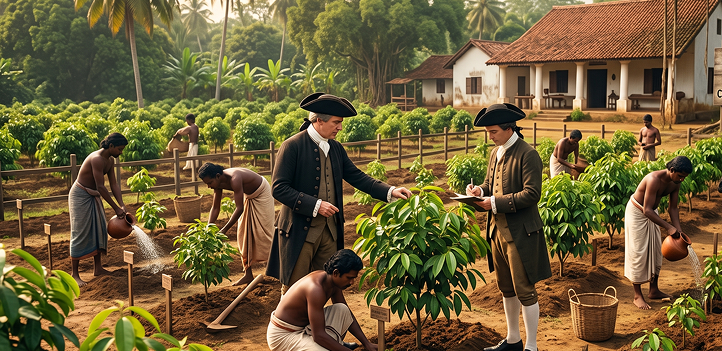
The Dutch strengthened the monopoly and eventually moved beyond wild harvesting. Experimental cultivation began in Colombo between 1765 and 1785, demonstrating that cinnamon could be systematically cultivated for commercial production. Department of Cinnamon Development
After taking control of the coastal areas in 1796, the British expanded commercial cinnamon cultivation. By 1799, major cinnamon lands around Colombo and Negombo were under British control, and by 1850 Sri Lanka had around 40,000 acres of cinnamon plantations. Department of Cinnamon Development

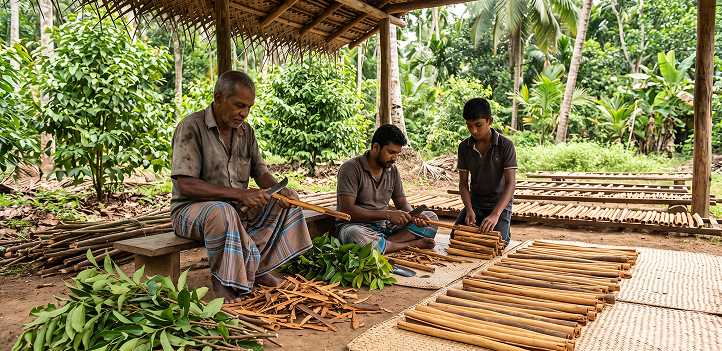
Cinnamon gradually moved beyond its colonial plantation economy and remained an important agricultural and export commodity. Its cultivation and processing continued through generations of Sri Lankan growers and peelers.
Research, agricultural development, quality standards, certification and value addition have progressively shaped the modern industry. Sri Lanka established the dedicated Department of Cinnamon Development in 2023, reflecting the crop's growing national and international importance.